

What Functional Diagnostic Nutrition (FDN) actually does
Functional Diagnostic Nutrition® is for the person who’s tired of experimenting on themselves.
If you’re ready to stop guessing and follow a clear, data-informed path, Functional Diagnostic Nutrition® may be the missing link. Through targeted functional lab testing, we identify key imbalances and uncover your biggest H.I.D.D.E.N.® internal stressors—so your plan is built on your data, not trends.
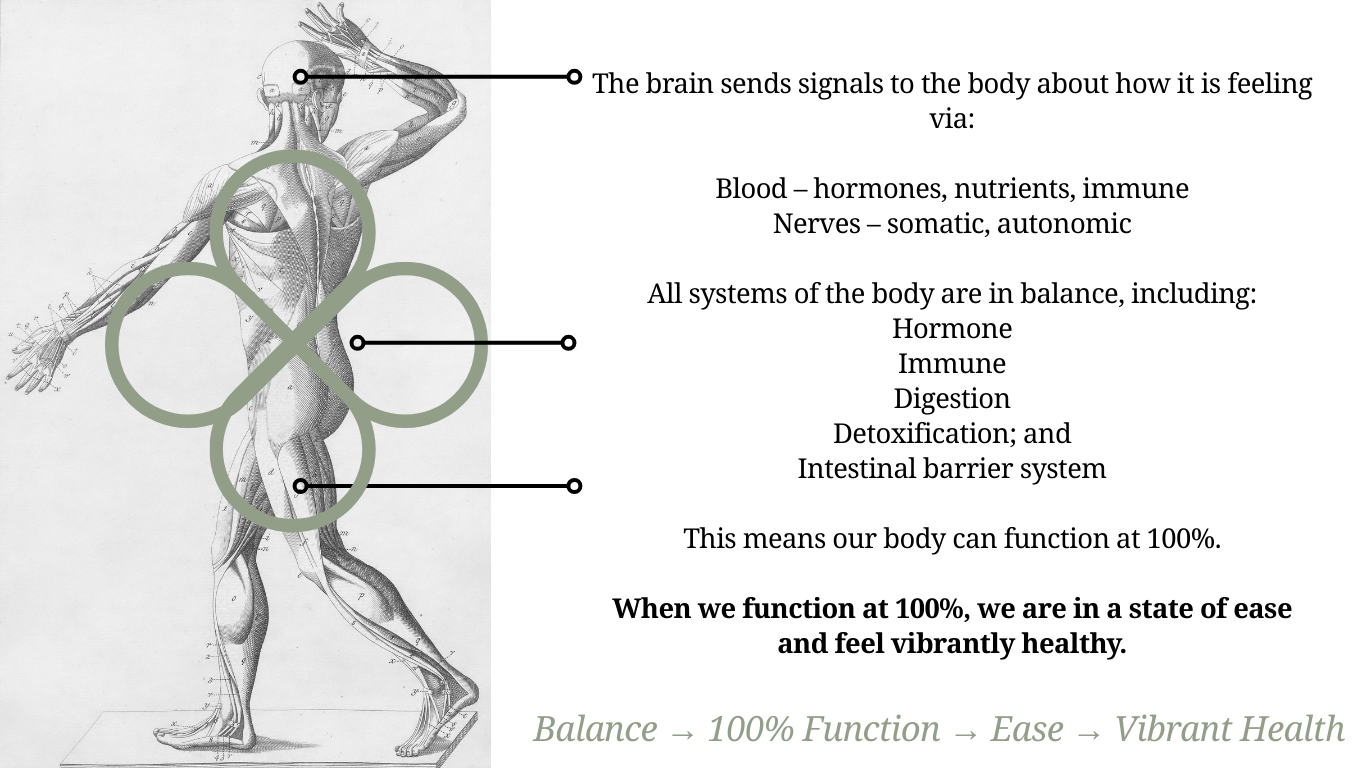
FDN evaluates interconnected systems that shape how you feel day to day, including:
Digestion & gut microbiome
Immune function & inflammation
Detoxification pathways
Hormones & stress response
Intestinal barrier integrity
Food sensitivities & immune reactivity
Metabolic typing & blood sugar regulation
Instead of zooming in on one isolated issue, we zoom out—to see the full picture your body has been trying to communicate.
The D.R.E.S.S.® Protocol: your plan, built for your body and your life
Once we identify patterns through your history + symptoms + lab data, your recovery plan is anchored in the D.R.E.S.S.® Protocol:
Diet • Rest • Exercise • Stress Reduction • Supplementation
This is where healing becomes practical.
Your protocol may include:
Therapeutic nutrition strategies tailored to your physiology (not fads)
Sleep support + circadian hygiene to rebuild vital reserve
Movement recommendations that support recovery, not burnout
Stress regulation tools (because nervous system support changes everything)
Targeted supplementation only where helpful—and based on your data
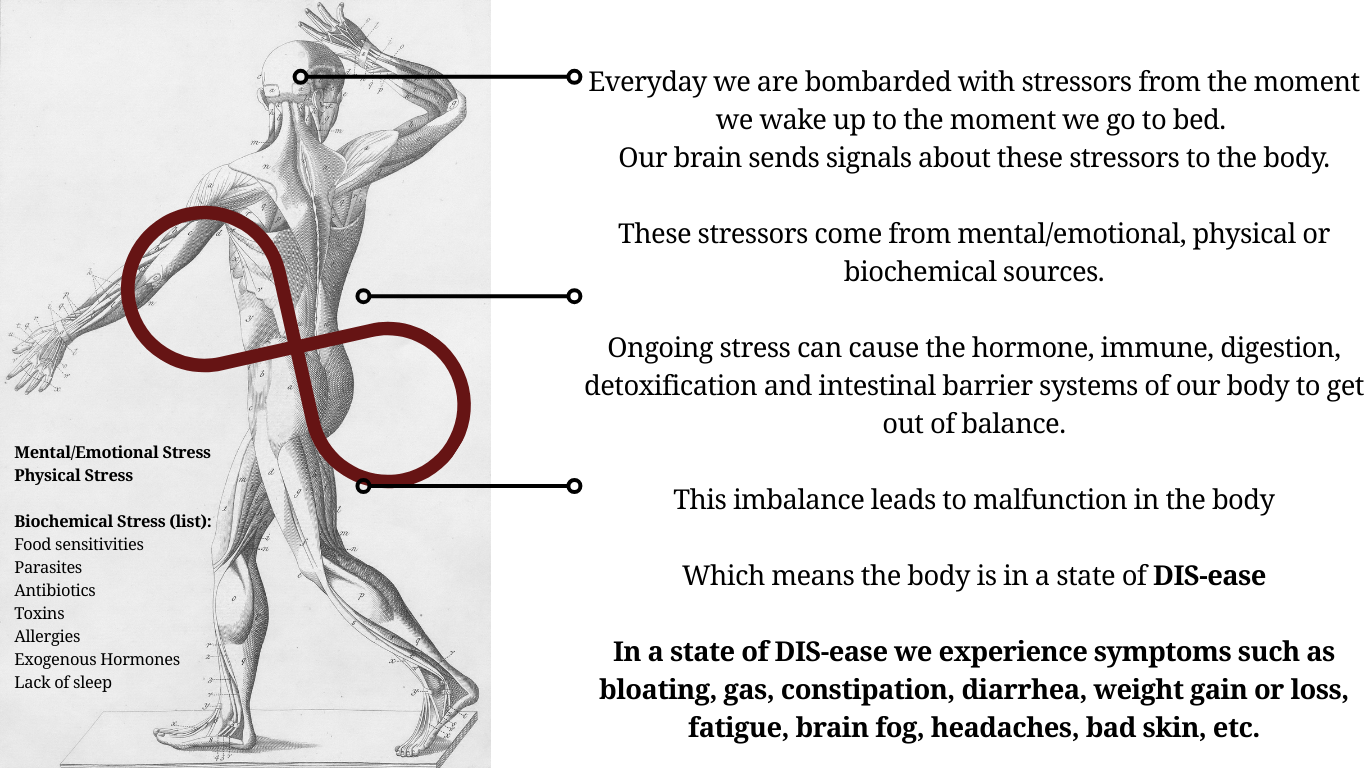
And we keep it human. We use simple visuals and clear frameworks to show how stressors → system imbalances → symptoms develop over time. We don’t treat the paper or chase symptoms—we work with you, as a whole person, and coach your system back toward resilience.
The labs we use: finding the H.I.D.D.E.N.® stressors
FDN works best when we can correlate patterns across systems. That’s why we often use a core panel of functional lab tests (simple, guided at-home kits). Using multiple data points helps us see what one test alone would miss.
Our goal is to identify your H.I.D.D.E.N.® internal stressors:
Hormone
Immune
Digestion
Detoxification
Energy Production
Nervous System
Common labs we may interpret include:
GI-MAP® (gut + immune resilience): bacteria balance, parasites/viruses/yeast, inflammation, digestion markers, intestinal permeability—often connected to fatigue, brain fog, skin flare-ups, mood changes, sensitivities, and chronic inflammation.
Stress Hormone Profile (cortisol rhythm + stress adaptation): shows whether your system is in overdrive, depleted, or dysregulated—impacting sleep, energy, mood stability, weight regulation, and recovery.
Metabolic Wellness Profile (digestion, detoxification, oxidative balance): reveals how well you’re breaking down nutrients, clearing waste + toxins, and managing oxidative stress—key drivers of inflammation, fatigue, and long-term resilience.
Mucosal Barrier Assessment (gut lining + immune reactivity): markers like zonulin, histamine, and DAO help us understand permeability (“leaky gut”), immune activation, and inflammatory overload.
Metabolic Typing (macros + nervous system influence): clarifies how your body converts food into energy, what balance supports you best, and how nutrition stress can drive cravings, blood sugar swings, fatigue, and mood shifts.
Food Sensitivity Testing (delayed immune reactions): identifies “healthy” foods that may still be increasing your inflammatory load—often showing up as bloating, headaches, joint pain, brain fog, skin issues, fatigue, or mood instability.
Ready to stop guessing?
If you’ve been doing “all the right things” and still don’t feel like yourself, you don’t need more willpower—you need a clearer map.
Book an FDN intake session with Dr. Spela Perc at Panacea Vita and let’s uncover what your body has been trying to say beneath the symptoms—then build a plan that supports real energy, balance, and resilience (in real life).